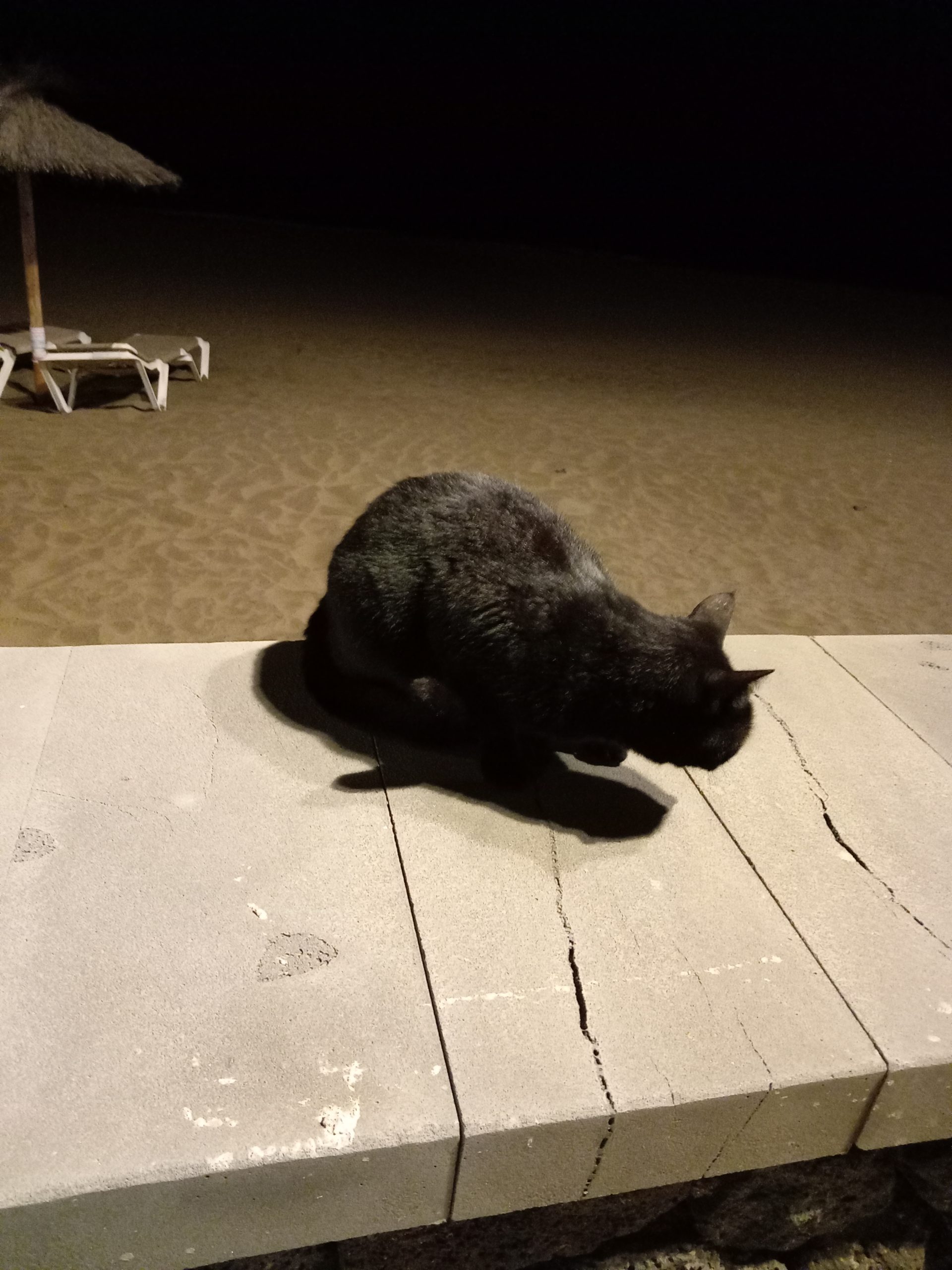
High Reproduction Rates: Cats are very efficient breeders, capable of producing multiple litters per year. In a warm climate like Lanzarote’s, with a long breeding season, a lack of population control can lead to exponential growth in the number of stray cats. A single unspayed female can contribute to a large number of offspring within a few years.
Abandonment: Unfortunately, some pet owners abandon their cats, especially around tourist areas or when they leave the island. These abandoned cats then contribute to the stray population.
Lack of Widespread Neutering and Spaying: While there are dedicated animal welfare organizations on Lanzarote that implement Trap-Neuter-Return (TNR) programs, the scale of the problem often exceeds the resources available. Historically, and sometimes still, there hasn’t been a comprehensive island-wide effort to sterilize a significant portion of the free-roaming cat population.
Food Availability: Tourist areas, restaurants, and even well-meaning tourists sometimes provide food for stray cats. While done with good intentions, this food source can sustain larger populations of cats and encourage them to congregate in certain areas.
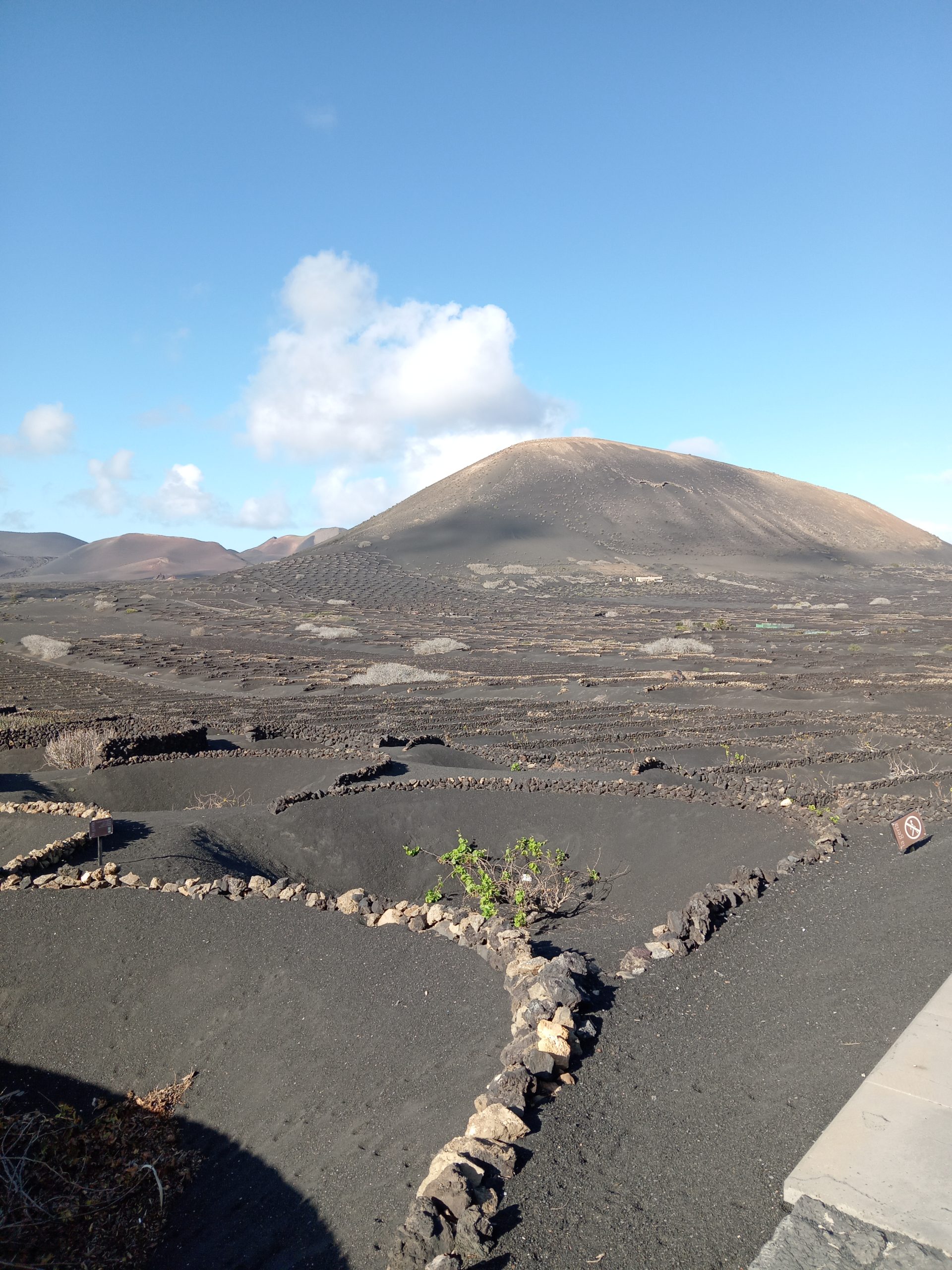
Climate and Environment: Lanzarote’s mild climate allows stray cats to survive year-round without the harsh conditions faced in colder regions. The volcanic soil can also resemble cat litter, making the environment more accommodating for them.